
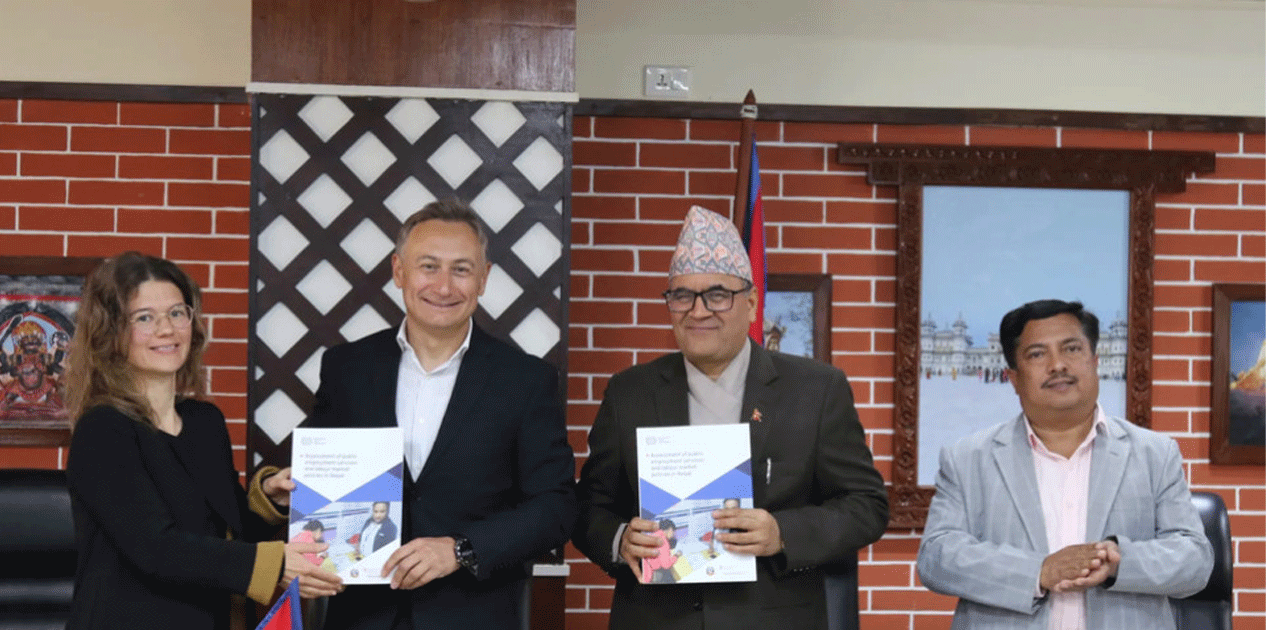
“Nepal’s Employment Service Centres have real potential, but they must move beyond short-term measures and provide modern job-matching and employer services,” said Numan Özcan, Country Director of the International Labour Organization (ILO) for Nepal, as a new ILO assessment called for sweeping reforms in the country’s public employment service system.
Kathmandu — An ILO assessment released on Tuesday has urged Nepal to transform its nationwide network of Employment Service Centres (ESCs) from a system largely focused on “cash-for-work” delivery into a modern public employment service backed by strong governance, employer engagement and digital infrastructure.
The Assessment of Public Employment Services and Labour Market Policies in Nepal, conducted in close collaboration with the Ministry of Labour, Employment and Social Security (MoLESS), acknowledges that ESCs have been established in all 753 local governments but says they are falling short of their intended role in connecting jobseekers to decent work.
“There is a clear gap between policy intent and day-to-day service delivery,” the report said, noting that most ESCs remain confined to supporting the “Cash for Work” component of the Prime Minister Employment Programme (PMEP). Core services such as job matching, career guidance, employer services and labour market information remain limited or uneven.
Weak engagement with employers emerged as a major constraint. Survey data showed that 63 per cent of ESCs do not register job vacancies at all, and where vacancies are registered, they are mostly from the public sector—highlighting the lack of private-sector trust in the system.
Digital capacity is another critical gap. According to the assessment, 51 per cent of ESCs reported having no IT-based registration system, while many of those with digital tools said the systems were only partially functional.
Beyond these figures, the report identified vacant staff posts, limited training, poor infrastructure, weak outreach, bureaucratic inefficiencies and inadequate data management as practical barriers discouraging both jobseekers and employers from using ESC services.
“This assessment shows that Nepal’s legal foundations are strong, but performance is being held back by gaps in coordination, management, financing, capacity and digital systems,” Özcan said at the launch event.
To address these challenges, the ILO recommended five key reforms, including the adoption of a unified national public employment services policy framework aligned across federal, provincial and local levels; stronger governance and social dialogue in line with ILO Convention No. 88; expanded employer-focused services; the creation of a national Labour Market Information System and centralized job portal; and a phased “pilot, learn and scale” approach to modernization.
Government officials welcomed the report, signaling openness to reform.
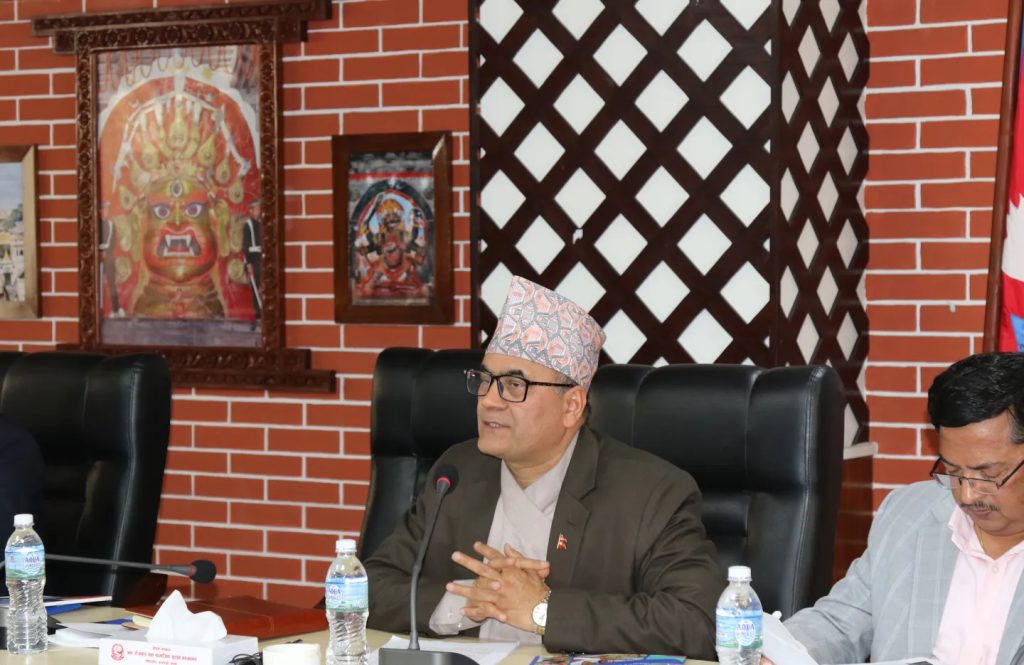
“This assessment will serve as a guideline for us,” said Dr Dipak Kafle, Secretary at MoLESS. “We will discuss its recommendations and cooperate in implementing its principles.”
Krishna Prasad Sapkota, Joint Secretary at MoLESS, said the findings would directly inform future policy. “The national public employment services policy framework and related documents will be developed based on this report,” he said.
Development partners also endorsed the recommendations. “The assessment provides a strong evidence base, and implementation is now critical,” said Jasmine Rajbhandari, Social Protection Specialist at the World Bank Nepal.
The assessment was conducted under the ILO’s Strengthening of Employment Service Centres in Nepal (SESC) project, implemented in collaboration with MoLESS and supported by the Swiss Agency for Development and Cooperation (SDC), with cooperation from other development partners.
The ILO said it would continue working with the government and tripartite partners to translate the recommendations into a practical reform roadmap aimed at making ESCs reliable one-stop services for citizens and employers, and strengthening Nepal’s labour market outcomes.

Happy

Sad

Wonderful

Excited

Angry